Introduction
Besides understanding accounting principles and concepts, future accountants must know how accounting work is done in a contemporary company. Contemporary accountants are no longer dealing with journals and ledgers alone; they use cloud software, automation, client portals, CRMs, dashboards, workflow trackers, and AI-powered applications.
Technical accounting knowledge is extremely important but it operates in a technological context today. Future accountants who know about modern accounting workflows will have an advantage in their internships and work in CPA firms and Big Four companies.
What Is an Accounting Workflow?
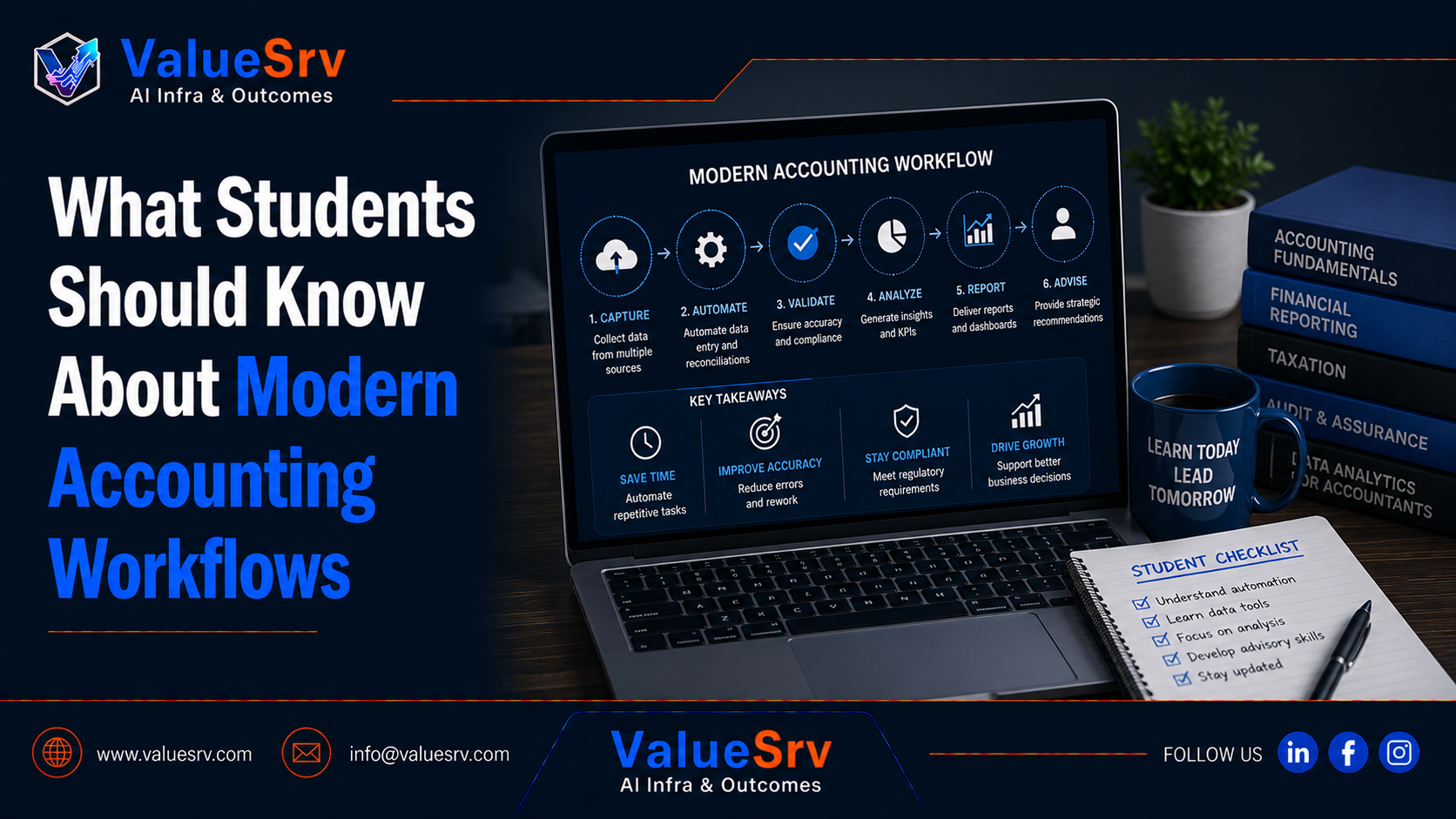
Accounting workflows refer to sequential processes of completing the accounting work. They determine who is responsible for certain actions, when these actions are due, and how they pass to the next level of work.
Typical examples of workflows include onboarding new clients, collecting documents, making changes in books, preparing taxes, tracking tasks during audits, reviewing and approving tasks, contacting clients for further information, managing deadlines, etc. All work processes can be considered workflows regardless of whether they are written down somewhere or not.
Learning about them is crucial for becoming a professional accountant because understanding workflows enables professionals to collaborate successfully in an organization.
Importance of Workflows in Contemporary Accounting Firms
As you probably know, accounting work has numerous deadlines, and it is quite compliance-focused. Several people may work with the same client. Documents may arrive late. There may be issues with approvals because reviews are required in a certain order. In addition, clients should always be kept up to date.
If accounting workflows are unclear and non-formalized, the whole team depends on memory, manual prompts, and last-minute communication. As a result, there may be many mistakes and problems in completing the work on time. Good accounting workflows allow delivering accounting services professionally without any chaos.
Differences between Traditional and Modern Accounting Workflows
The difference is pretty considerable because modern workflows utilize cloud accounting software, automated processes, CRMs and client portals, task management tools, workflow dashboards, document trackers, automated reviews, and so forth.
There are also a few things that haven't changed, for example, fundamental accounting principles. However, the whole system looks much different now.
Skills Students Need to Master to Become Part of Accounting Workflows
Client Communication There are plenty of communication processes between accountants and clients, which include requesting documents, providing status updates, asking for approvals, clarifying information, and so on. Besides mastering professional communication, future accountants should be aware of what these processes look like when they take place in the CRM.
Document Management Documents are extremely important for the work of accountants; invoices, bank statements, tax forms, auditors' documents, financial reports, etc. All these documents are gathered and stored electronically, not on paper. Students must learn about ways of collecting and organizing accounting documents electronically.
Task Tracking Contemporary accounting teams manage tasks with specialized platforms such as Asana, Monday.com, ClickUp, etc. Students should get familiar with those tools and know how to view a task board, update their work on a task, mark it as pending and complete, and so forth.
Review and Approval Process There is a typical hierarchy in almost every company where accountants do their jobs - junior preparation, review, approval, and sign off by partners. One needs to learn about it to become a professional accountant as soon as possible.
Automation All kinds of reminders, recurring tasks, notifications about deadlines and overdue, documents requiring follow-ups, etc., can be automated today. Learning the basics of automation can speed up your adaptation to a contemporary firm.
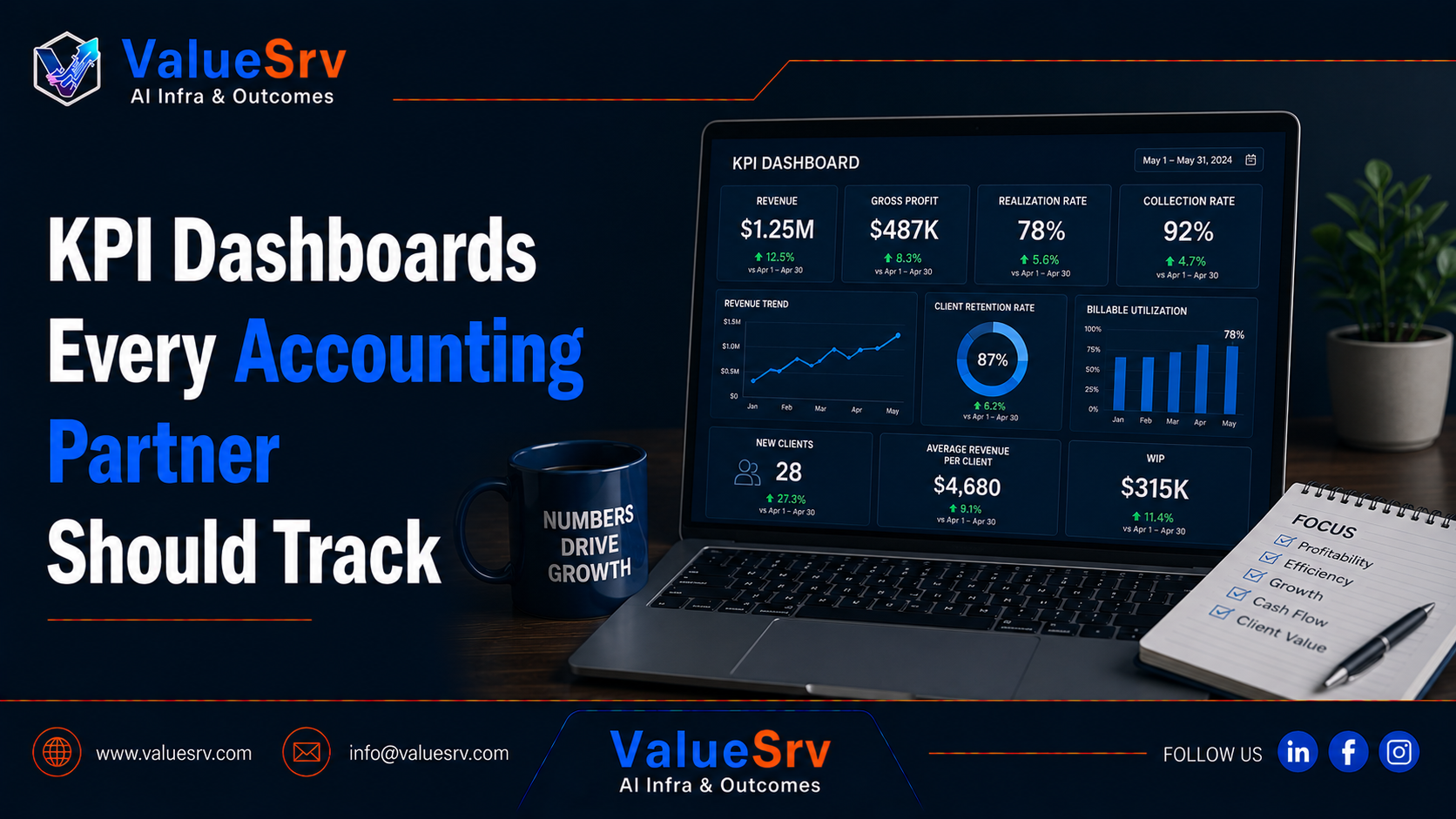
Dashboard Viewing Partners and managers use dashboards to keep track of the work process; there are dashboards with loads of tasks, pending deadlines, client status, and so on. Learning to read dashboards is a useful skill.
Common Accounting Tools You May Meet at Your Internship
There are numerous tools in use by various accounting firms, including popular accounting platforms QuickBooks, Xero, Zoho Books, and Tally. You will meet task management tools such as Asana, Monday.com, and ClickUp. Popular accounting CRMs are HubSpot and Zoho CRM. In terms of reports, you will meet Power BI and other reporting platforms integrated with PM platforms.
You don't have to be an expert in using them right after graduation; you just need to understand the purpose of these tools and know how they are applied in workflows.
How Students Can Get Ready
The best thing you can do in this situation is to get familiar with accounting software. Improve your Excel skills. Practice client communication and learn about task tracking tools. Study automation basics. Develop the ability to interpret dashboards.
In fact, you won't face many challenges if you start doing it today. Remember that it is the combination of knowledge and workflow technology that you'll need in the future.
Conclusion
Contemporary accounting is characterized by many factors beyond knowledge of technical aspects. These factors include workflow systems, professional communication, automation, and client management. Future accountants should get ready for all these things.
Those students who can apply this knowledge in practice will make a good impression in both internships and entry-level accounting jobs.