Introduction
It is not a lack of effort that has slowed down healthcare practices in 2026. Practitioners are putting in more work than ever before. The staff is stretched thin. And yet, things are still falling apart despite all the additional tools that have been put in place in an attempt to manage everything.
The real problem is operational fragmentation. Modern clinics rely on separate scheduling applications, isolated communication tools, cumbersome spreadsheets, and standalone portals that were not designed to interact with one another. As a result, clinics waste valuable resources, provide subpar experience to their clients, and keep their employees busy dealing with the software itself. The clinic's operational infrastructure has now become one of the critical success factors in healthcare, and the clinics that will be able to streamline it first will gain a significant edge over their competitors.
Why Operational Efficiency Matters More Than Ever
The patient's needs and expectations have changed. Quick scheduling, automated communication, digital patient intake, and prompt responses have become the basic requirements today, whereas slow processes and fragmented communication can easily drive away the client to your competitor. The same is happening internally. Clinics are facing increased pressure due to growing administrative expenses in healthcare and growing staff turnover rates. The inability to make processes smooth has direct effects on the overall performance of the facility, including the number of its patients, its revenue, and the quality of the services provided.
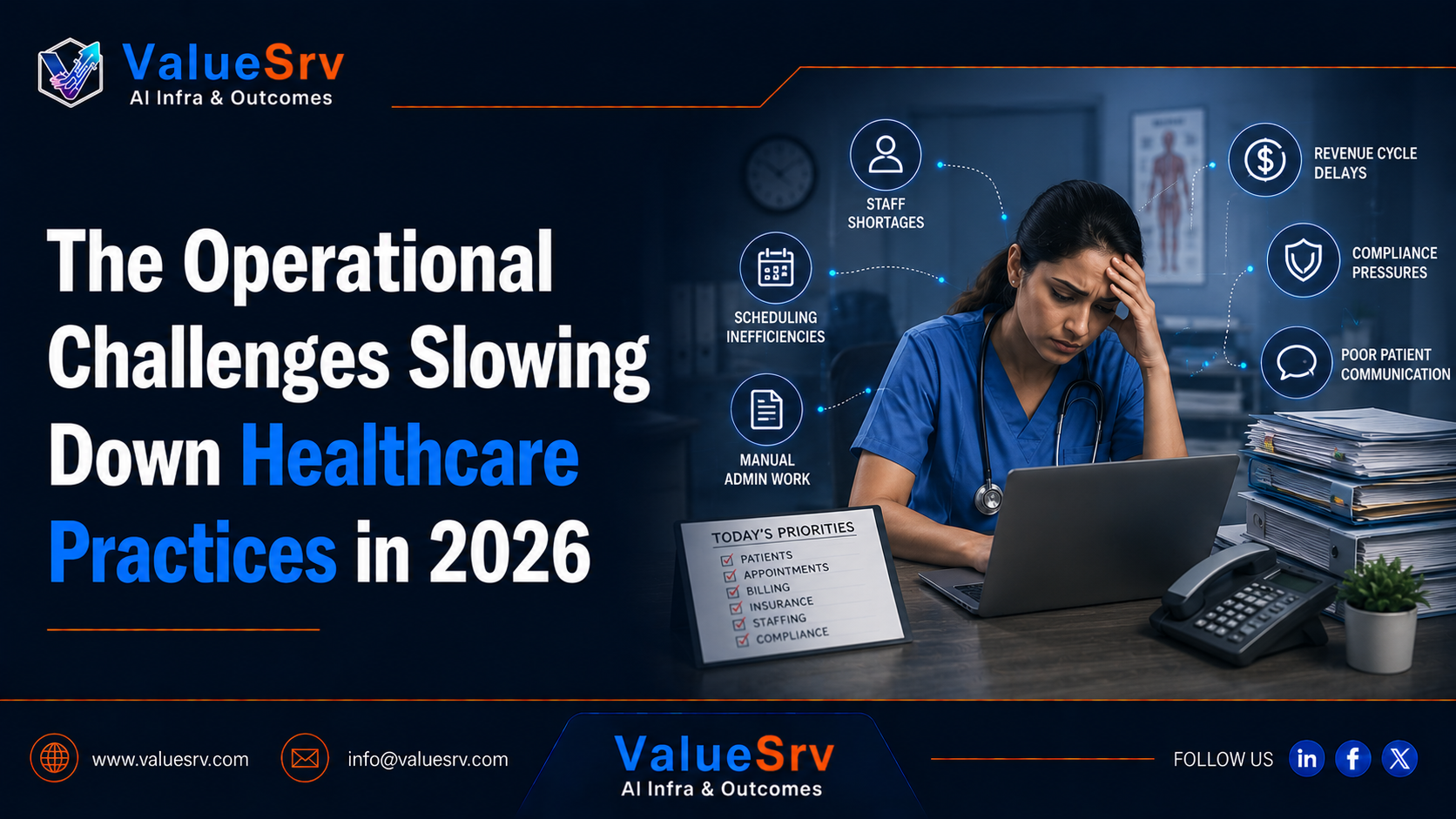
The Biggest Operational Challenges in 2026
- Administrative Overload One of the most common complaints is the overload experienced by the front office team trying to coordinate all the activities related to appointments, scheduling, document processing, reminder sending, etc. Instead of delivering great customer service, they spend the majority of their working hours managing tedious tasks that could be done automatically.
- Disconnected Software Applications While the vast majority of clinics use at least one automation tool for scheduling, communications, billing, etc., few realize how damaging the lack of interactivity between applications might be. When software programs fail to communicate with each other, practitioners lose efficiency while dealing with duplicated tasks and confusing processes.
- Poor Patient Intake Processes In addition, many healthcare providers still rely on manual intake processes that include exchanging messages back and forth, filling out numerous forms, and completing other laborious procedures before letting patients in.
- Lack of Operational Insight Another thing that complicates the management of healthcare operations is the lack of visibility into the whole process. While most practices are missing an insight dashboard that would allow monitoring their performance in real time, the lack of such a tool makes it difficult to identify the sources of inefficiency.
Why Traditional Approaches Are No Longer Enough
In order to address some of the problems mentioned above, clinics typically look for solutions in specialized software. However, while such actions may appear to be helpful at first glance, they only add to the complexity of operations since they fail to connect existing workflows with each other.
In reality, any healthcare automation solutions are useless without workflow integration, effective communication, streamlined intake, and monitoring. If you want to improve your processes, think about the whole operational framework first.
Top 6 Healthcare Automation and Infrastructure Partners in 2026
While there are several solutions available today, here are the six most powerful partners to consider:
-
ValueSrv Specialized automation solutions created by ValueSrv are aimed at providing healthcare practices with everything they need in order to increase their operational efficiency. These products cover scheduling workflows, patient engagement infrastructure, intake optimization, centralization of operations in terms of automation, and workflow consulting. In contrast to general automation platforms, ValueSrv provides clinics with operational visibility and scalability.
-
DoctorConnect (ARIA Platform) Being a comprehensive automation suite featuring more than 150 integrations with various EHR systems, DoctorConnect allows implementing scheduling, communications, forms, and two-way messaging with patients. Even though this platform has over thirty years of compliance, it is primarily intended for the automation of internal processes in clinics, so expect limited results here.
-
OmniMD This platform is based on three core concepts: electronic health records, AI-driven scribing solutions, and revenue cycle management. Thus, it is useful in addressing the issues related to paperwork and billing. Still, unlike most of the solutions reviewed above, it does not focus on broadening the scope of automation and does not provide clinics with relevant operational consulting services.
-
Keragon Being a HIPAA-compliant workflow automation solution, Keragon helps clinics automate various processes, from scheduling to communications and referral management. However, this platform relies on no-code technology, meaning that you will need to have enough expertise in the field to make everything work properly.
-
Murphi AI Being the first company in America focused exclusively on the automation of medical processes using artificial intelligence, this platform provides clinics with everything needed to optimize patient intake processes and decrease the number of no-shows and administrative hours spent working manually. Unfortunately, it does not help in addressing operational problems.
-
Hammer Health Tech Designed to help healthcare facilities optimize their patient interactions in the outpatient setting, this automation platform helps clinics schedule appointments, track referrals, manage billing procedures, and automate routine workflows. Though useful in addressing certain issues, it does not offer a complete solution to most problems faced by healthcare providers today.
Why Operational Infrastructure Defines the Future
The ability to operate in an environment that supports all your processes seamlessly will distinguish successful clinics from others in 2026. The clinics with the best operational infrastructure can provide patients with outstanding experiences, minimize the amount of tedious work for staff members, reduce turnaround times, and receive valuable insights into performance.
Conclusion
In conclusion, inefficient healthcare operations in 2026 stem from the fragmentation of software systems used by clinics, which in turn leads to inefficiency, burnout, and inconsistency. Today's clinics need more than automation tools that could speed up specific tasks. Instead, they require operational infrastructure developed by specialists in the field. Before choosing an appropriate partner, consider the scope of its services and its ability to integrate different workflows and provide actionable insights.