Introduction
Most healthcare leaders are not burdened by their responsibilities. They are burdened because even tiny operational gaps end up on their desks sooner or later.
The job of healthcare leaders includes patient experience management, performance monitoring, schedule planning, regulatory compliance, billing, service quality control, and other routine but important activities. However, they are unable to perform any of those tasks because their days are full of distractions.
Interruptions are a productivity issue, but even more than that, they are a sign that clinic systems, workflows, and escalation policies are not developed correctly. Until they change, interruptions will continue to occur, despite how competent and skilled the leadership is.
What Interruptions Look Like in Healthcare Practices
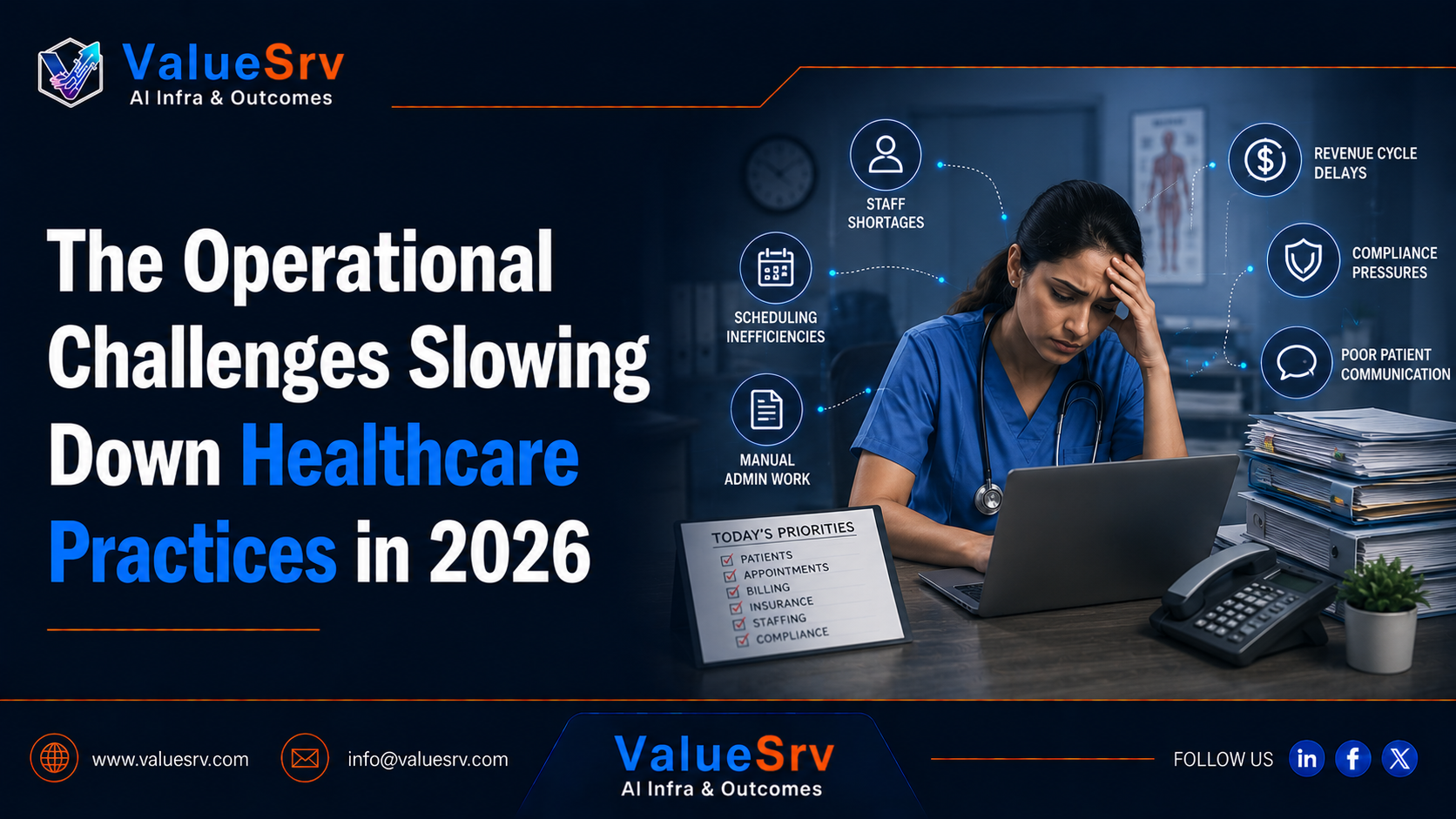
The list is consistent for every clinic, regardless of its size. The same process-related questions arise again and again because there are no written instructions available. Front office employees require leadership confirmation for the decision-making that would usually happen on their own. Issues arise during patient follow-up, leading to emergency scrambling. Rescheduling leads to chaotic coordination. Missing files postpone consults. Small operational escalations reach the desk of healthcare leaders as urgent issues.
In every example, one thing is clear. If there are no clear workflows, leaders become an emergency solution for everything that happens in the whole clinic.
Why Healthcare Leaders End Up Being Part of Clinic Operations?
Absence of SOPs If there is no written guidance for the team in various situations, the only option left is to seek help from higher ranks.
Ineffective Escalation Policies In case of undefined escalation paths, all issues seem to be urgent. Everything goes up and leads to the participation of leaders in making routine decisions.
Disjointed Information Infrastructure Data is scattered all over scheduling software, WhatsApp, emails, spreadsheets, patient histories, and other tools. Without access to an integrated view of all available information, status updates, and clarifications become a continuous waste of time.
Lack of Visibility Into Workflows Leaders cannot see whether something is pending or late until they are notified by someone else. All operational disruptions become visible only after they affect performance negatively.
Manual Patient Management When it comes to follow-up, reminders, or patient contact, all those activities depend on employee memory. This results in gaps and mistakes that lead to the involvement of healthcare leaders in resolving emergencies.
Interruptions become more frequent when a practice is reliant on people rather than systems.
What Is the Hidden Price of Too Many Interruptions?
Each interruption might seem harmless. It takes only several seconds to answer a question or confirm something. However, taken together, they represent serious operational burdens that accumulate over time.
As a result of all those daily activities, leaders do not get enough time for development and service improvement. Employees become dependent rather than independent. The pace of decision-making slows down because there is no clarity on which actions must be escalated and who approves them. Patient experience deteriorates because standardization is impossible in such conditions. Leadership burnout becomes more likely since strategic activities are always interrupted by daily emergencies.
Every interruption can be avoided if there is a corresponding system behind it.
How Properly Developed Workflows Make Interruptions Unnecessary
Decision-Making With SOP Guidance All common situations, from rescheduling appointments to receiving patient documents, should have clearly outlined written procedures for the team to follow. Having a process at hand saves a lot of time for leadership because all routine inquiries are eliminated.
Defined Escalation Policy Not every incident should go through leadership for approval. A clear set of rules that defines who can deal with each problem independently is necessary to eliminate unnecessary involvement of higher ranks.
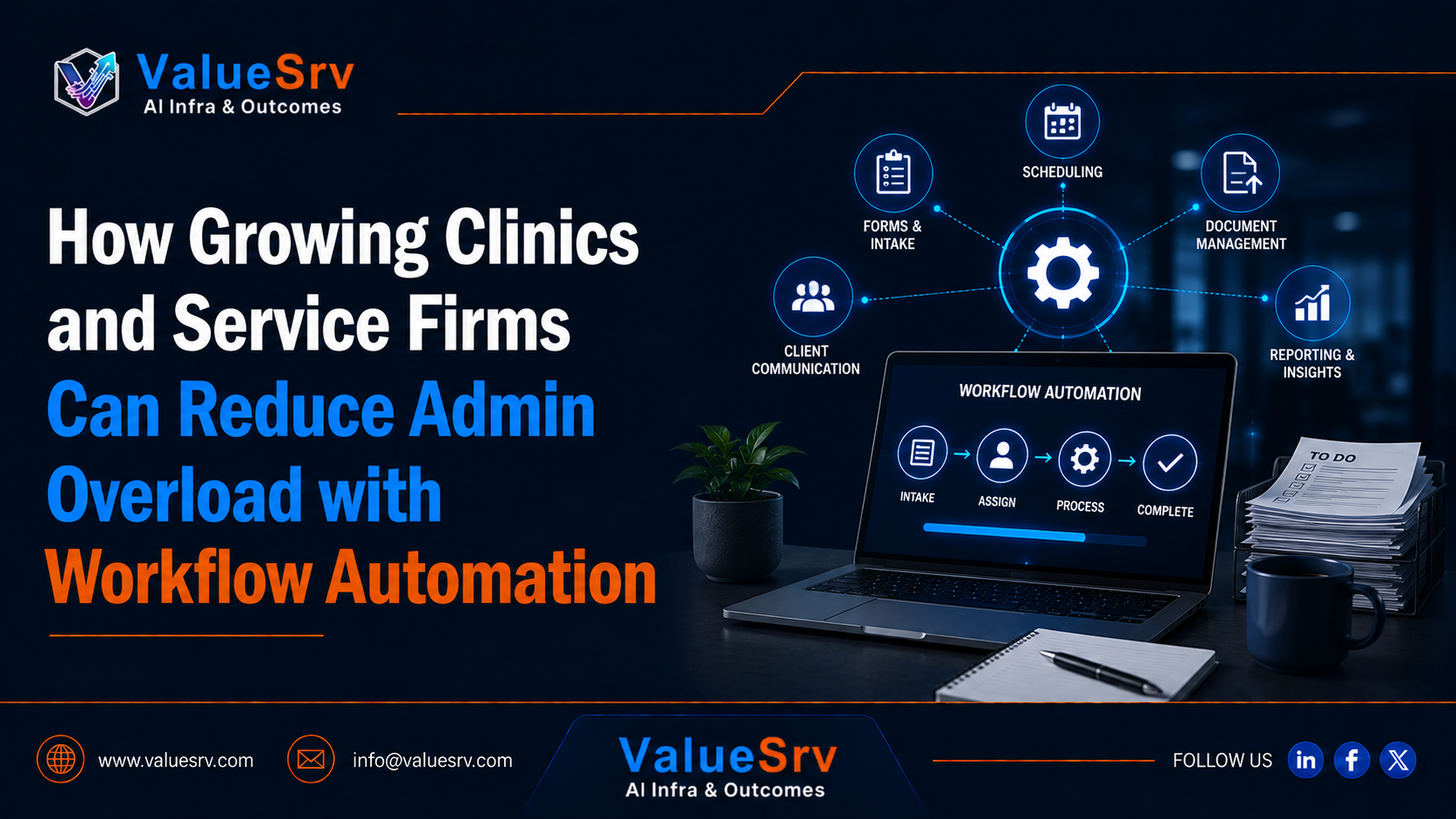
Automation of Patient Management Reminders, follow-ups, and other activities related to managing patients' visits should be fully automated using software. Automated patient management makes an entire area of responsibilities of front desk employees redundant.
Operational Dashboard Healthcare leaders should have visibility into everything that is going on: pending tasks, delays, follow-ups, and bottlenecks. An integrated dashboard allows seeing all necessary information instantly.
Access To Relevant Documents and Scripts Every group within the practice should get access to all documents, SOPs, scripts, and other guides necessary to work within certain frameworks autonomously.
Adding More People Will Not Help Solve Anything
Hiring additional personnel is the first reaction of many healthcare providers faced with operational issues. But a lack of proper processes means that additional people will just bring more disruptions and dependencies.
More heads cannot solve a faulty system. All the additional people hired will also need approvals, follow-ups, explanations, etc. The actual solution consists of building a reliable healthcare operational infrastructure rather than increasing the number of employees.
How ValueSrv Can Assist With Reducing Avoidable Interventions
ValueSrv offers practices a comprehensive toolkit for the creation of proper healthcare operations.
It involves developing SOPs, automating workflows, creating patient intake systems, designing appointment communication processes, implementing escalation systems, providing immediate access to necessary information, organizing internal communications, integrating CRM functionality, creating operational dashboards, and setting up staff onboarding workflows. All of that makes up a single coherent operational system.
With the help of ValueSrv, healthcare practices can stop relying on their leaders as a safety valve and empower their teams to act independently.
Conclusion
Healthcare leaders can't operate effectively under constant interruption. Interruptions are always a sign of a lack of processes, a disorganized information infrastructure, or ineffective escalation policies; they say nothing about the effort of staff members.
Interruptions will not be a part of a successful healthcare operation in the future.