Introduction
If all small decisions need to be made by a leader, the company faces a problem with leadership. Instead, it is a problem of systems design.
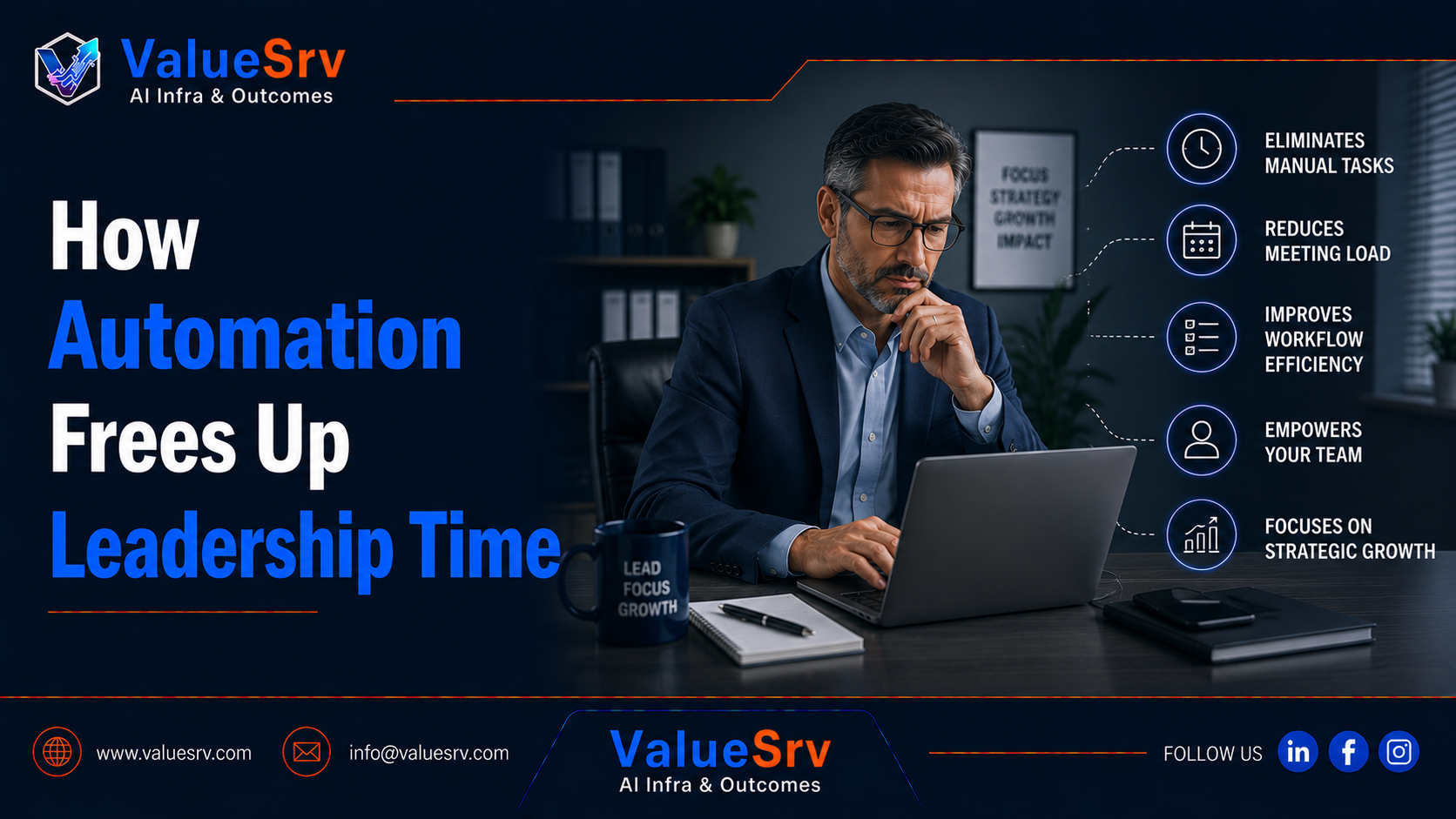
A lot of leaders have to dedicate much of their day to answering repeated questions, making tiny decisions, checking how things are going, fixing avoidable issues, and constantly reminding their teams about follow-ups. This is what seems like growing pains. In reality, this is a signal that business processes are too heavily dependent on their leaders.
The role of the leader is to think strategically and deal with complex decisions. Doing other tasks is a waste of their precious time.
Why Leaders Lose Time in Daily Operations?
The list of reasons behind such a situation in business processes is pretty similar for all companies:
Teams keep repeating questions about processes because they do not have documented process guidelines to rely on.
There are no automatic reminders for people to follow up.
There are no clear tasks with owners and no way to automatically track their statuses.
There is no escalation framework to filter out clients or patients who should be escalated to the head of business.
Reporting is done manually, so the leaders have no chance of seeing any operational process status without additional questions.
Leaders have to spend their time on tasks because there are no business processes that would make the operation smooth.
The Cost of Dependence on Leaders
But there is even more behind the leaders' involvement in operations. For example, employees tend to seek permission to make decisions. Instead of trusting them and empowering them, leaders turn them into dependent persons.
Leaders miss their opportunity to think strategically because they spend their time solving small tasks.
Leaders may burn themselves out working on routine problems and dealing with endless questions.
And the worst thing is that scaling up the business leads to the same problems multiplied.
The higher you go, the harder it will be to make the business grow due to this bottleneck.
How Can Automation Help to Protect Leaders' Time
Automatic Follow-Up There are no reasons to remind people manually to contact a client, patient, prospect, or another person on the team. Automated reminders can help you save time.
Workflow Automation Processes should be automated so that each step is known and there is no need for additional instructions.
Approval Workflows Approvals should be automated according to predefined rules. This will take the load off leaders who should focus on other issues.
SOP-based guidance When there are guidelines available and accessible to the team, there is no need to answer questions about the same things every week.
Reporting System Dashboards that give leaders insights into the current process status help to reduce manual reports.
Escalation System There should be an appropriate framework that allows escalating issues automatically to the appropriate team members.
What Process to Automate First?
It is always a good idea to find a starting point and start there. Usually, the most effective place is where a leader has to spend the most time. For instance, if your clients/patients ask a lot of repeated questions or you have lots of follow-up processes, these are great candidates for automation.
Client/Patient Intake is the first priority here, as it saves a lot of manual work. You should also consider automating follow-ups after meetings, consultations, proposals, and appointments.
Another key issue is assigning and tracking tasks. SOP access, approval automation, and reporting should be among the key features you should implement first.
The Main Issue with Business Automation
The main mistake businesses make is trying to automate processes without changing the workflow. Tools are useful only when they help streamline existing processes. Otherwise, the problem just moves to the background.
Automation will never improve a bad process as long as it exists. There is one rule to keep in mind here: automation starts with clarifying processes first. Only then can it provide you with positive results.
How ValueSrv Helps Businesses to Solve Their Problems
ValueSrv offers to automate processes using operational infrastructure that reduces the need for leader involvement in all processes.
Their offer includes the following features:
- SOP & Workflow Management
- Role-Based Knowledge Base
- Client/Patient Intake Workflows
- Automatic Task Routing
- Approval Workflows
- Follow-Up Automation
- Escalation Framework
- Custom Dashboards & Reports
- Onboarding Infrastructure
- CRM & API Integrations
All those elements interact with each other, forming one unified governance system for the whole process.
Conclusion
Leaders should not spend their days chasing updates, answering repeated questions, or solving avoidable operational problems. These interruptions are symptoms of missing systems, unclear workflows, and weak escalation structures, not a reflection of leadership capability. The businesses that scale best are not the ones where leaders do everything. They are the ones where systems allow leaders to focus on what matters most.